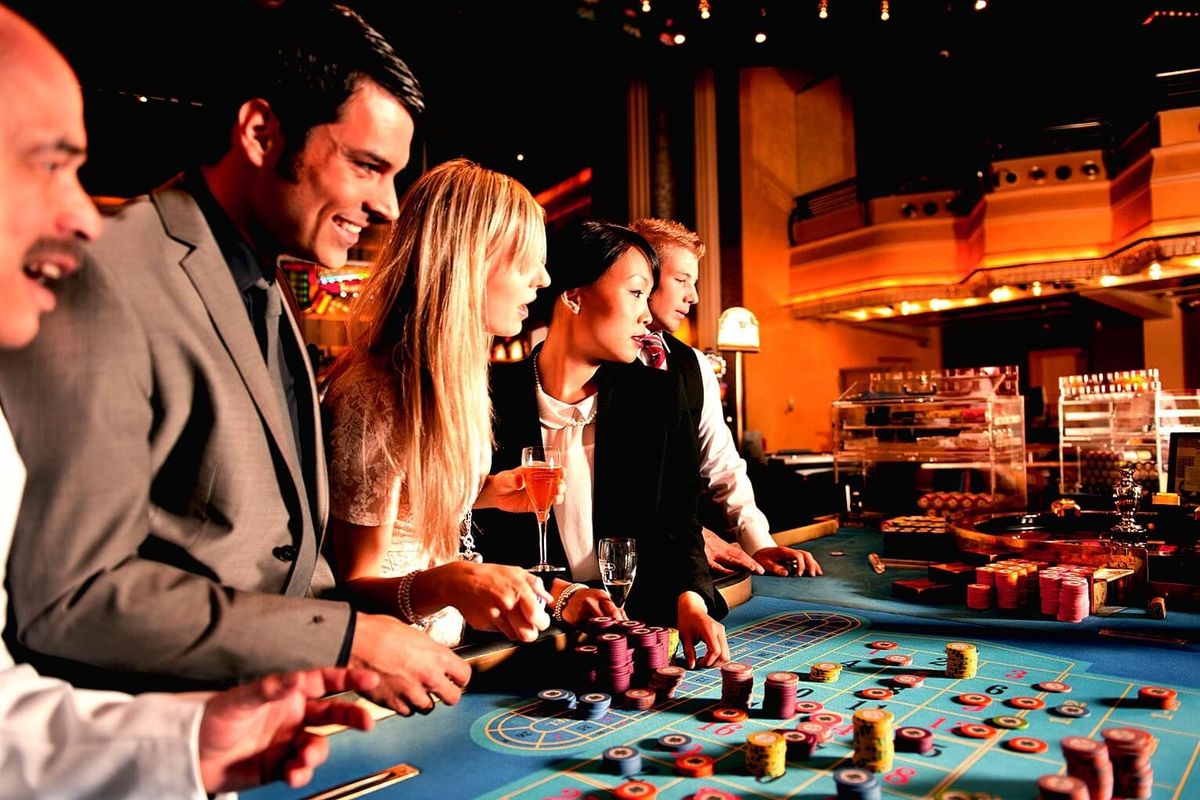
Casino culture is no longer built only inside physical casinos or private conversations between players. A big part of it now happens online, where players share opinions, compare experiences, discuss games, post wins, question losses, and follow people with similar interests. Social media has effectively turned individual players into participants in larger communities. A person who once played alone can now find thousands of others discussing the same games, strategies, promotions, and player experiences.
Online Communities Create Shared Player Norms
One of the biggest effects of social media is the creation of group norms. Players quickly notice what other members of a community consider exciting, smart, popular, or worth discussing. Research involving 4,816 young people across Finland, the United States, South Korea, and Spain found that involvement in online cliques was associated with greater interest in gambling content, while content appearing popular with a group attracted more interest. This helps explain why a casino community can develop its own language, inside jokes, opinions, and unwritten rules. In practical terms, players should remember that a popular opinion in a group is still an opinion, not automatically reliable information.
Players Have Become Content Creators
Social media has also changed who gets to shape casino conversations. Players themselves can now become reviewers, commentators, streamers, or community leaders. Someone sharing a detailed experience with a particular game may receive hundreds of comments and start a wider discussion. A player does not need to work for a casino or media company to influence other players. This creates a more active culture where information travels horizontally between users instead of simply moving from casinos to customers. For communities, that means useful discussions can come from ordinary players, but claims should still be checked before being treated as facts.
Algorithms Can Strengthen Group Thinking
There is another piece of the puzzle that players sometimes overlook: algorithms. Social platforms learn from what users watch, like, comment on, and follow. Research published in Computers in Human Behavior found that gambling-related content displayed on Twitter/X was influenced by account activity, with pro-gambling content appearing for accounts that interacted with gambling operators’ profiles. In simple terms, interacting with one type of content can lead to seeing more of the same type. For casino communities, this can create a feedback loop where players increasingly encounter opinions that match what they already believe.
Community Reputation Matters More Than Ever
Because social media gives players a public voice, reputation has become an important part of casino culture. A community member who consistently provides useful explanations, honest experiences, or evidence-based information can become trusted over time. On the other hand, exaggerated claims and questionable recommendations can spread quickly when people share content without checking it. A systematic review of 17 studies found that gambling communities are commonly used to discuss experiences, share tips, and celebrate wins, while also noting that social influence can shape gambling-related attitudes. The practical lesson is simple: follow contributors who explain their reasoning, distinguish personal experience from fact, and do not treat popularity as proof.
Social Media Is Reshaping Casino Culture
The biggest change is that casino player culture has become more conversational and community-driven. Players can compare experiences across countries, build online friendships, challenge popular opinions, and create their own communities around shared interests. Social media has therefore made casino culture less about simply being a customer and more about being part of an ongoing conversation. For players, the smartest approach is to participate actively while keeping some distance from group pressure: enjoy the discussion, question strong claims, check information, and make independent decisions rather than simply following whatever the community is saying.